Automotive Engineering. What is it? Essential Concepts and Insights
Automotive engineering is the interdisciplinary branch of engineering that designs, develops, manufactures, tests, and maintains vehicles by integrating mechanical, electrical, and materials expertise across structures, engines, transmissions, safety systems, electronics, and emissions. The U.S. Bureau of Labor Statistics classifies automotive engineers as a mechanical engineering specialty (17-2141.02).
The field matters because automotive operates at an economic scale and because vehicle programs sit at the center of safety, efficiency, compliance, electrification, and the rapid adoption of software and AI. In the EU, the sector accounts for over 7 percent of GDP and 13.8 million jobs. It leads private R&D investment, and engineering absorbs 30 to 35 percent of that spend, with vehicle design as a primary focus.
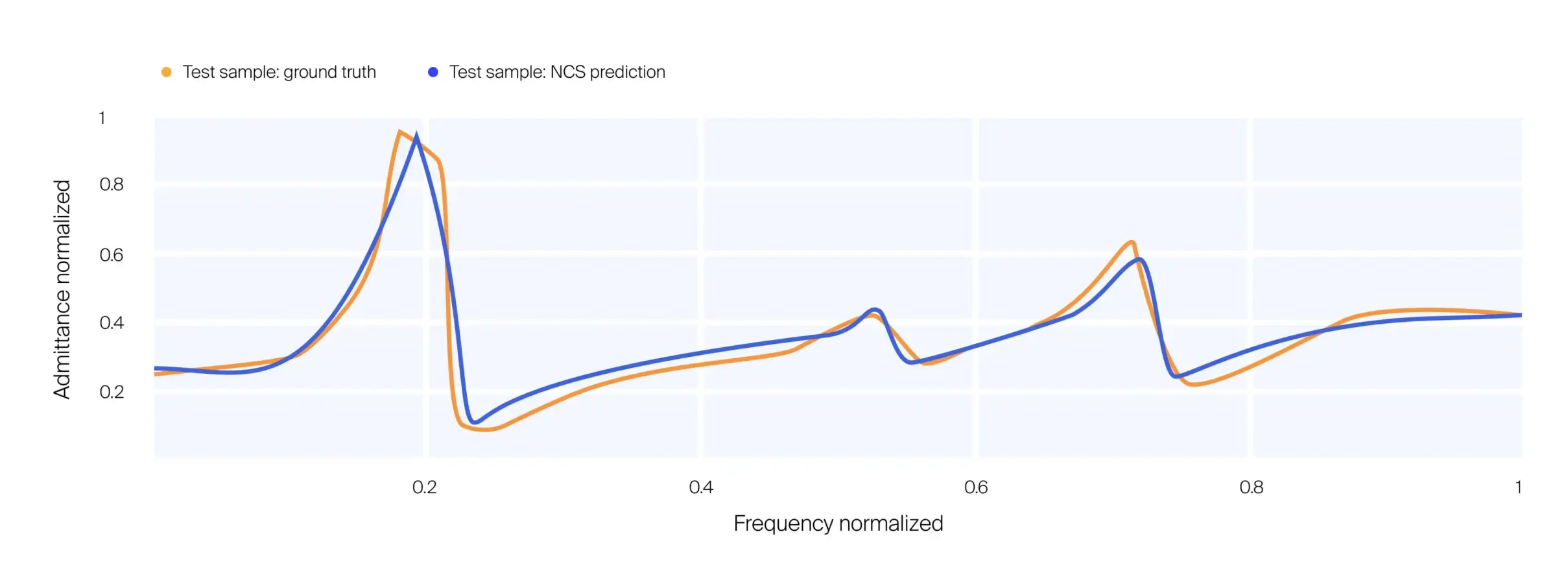
For example, Subaru uses Neural Concept to accelerate automotive development.
For students comparing specializations, engineers entering vehicle development, managers defining roles or compensation, and technical readers following AI and simulation, this article defines automotive engineering, compares it to mechanical engineering, and quantifies compensation and career progression. It also consolidates the core skills and knowledge the field requires, then examines aerodynamics, powertrain and electrification, safety engineering, software-defined vehicles, manufacturing, and the role of AI and simulation.
This article excludes curriculum guides, program rankings, and country-specific licensing requirements. Salary and employment data are U.S.-specific. Homologation and emissions regulations are referenced but not detailed.
Key takeaways
Automotive engineering is a specialization within mechanical engineering. The U.S. Department of Labor classifies it under occupation code 17-2141.02, which means a mechanical engineering degree remains the standard entry route.
Entry requires a bachelor's degree, and pay sits well above the national median. O*NET reports a 2025 median wage of $104,110 per year for the occupation, compared with $49,500 for all occupations in May 2024.
Employment is projected to grow 9 percent from 2024 to 2034, much faster than the 3 percent average across all occupations, with about 18,100 openings each year.
Software content is now a primary differentiator. McKinsey projects the automotive software and electronics market will reach $519 billion by 2035, growing at a 4.5 percent CAGR, compared with roughly 1.0 percent for the overall vehicle market.
AI has moved from prediction to design generation. Deep learning models trained on CFD and wind tunnel datasets now propose geometries and evaluate operating conditions within a working session.
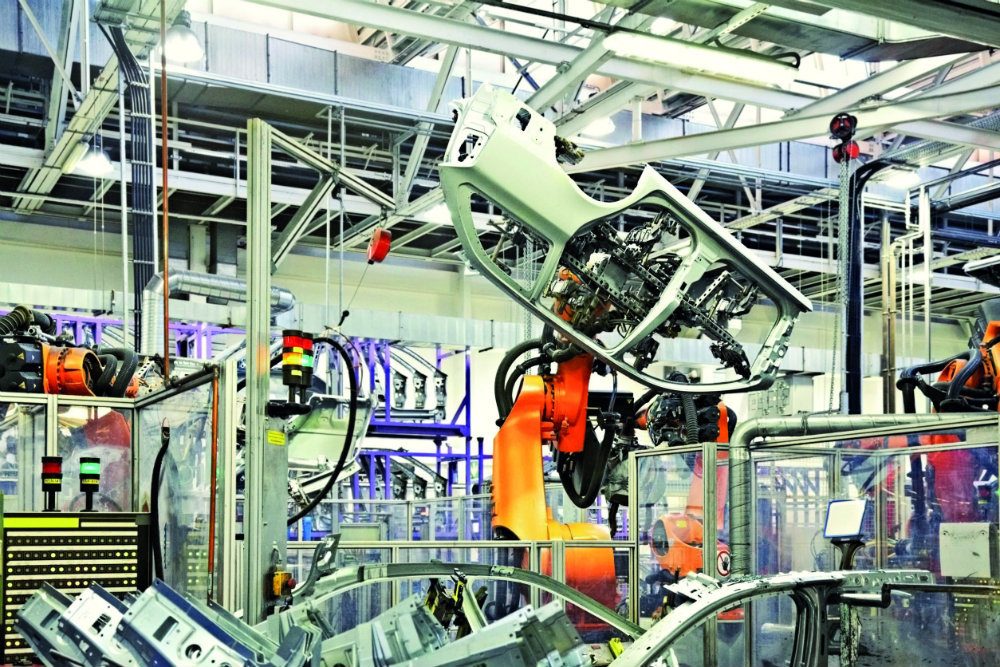
Table of contents
What is automotive engineering?
Automotive engineering vs. mechanical engineering
Career paths and compensation
Essential skills and knowledge for the automotive engineer
Key applications of automotive engineering
How automotive engineering is transforming with Machine Learning and simulation
What is automotive engineering?
Automotive engineering is an interdisciplinary field. It combines principles from mechanical engineering, electrical engineering, and materials science. The automotive engineer can design, develop, manufacture, and maintain vehicles. Automotive engineers' work encompasses mechanical engineering applications such as vehicle dynamics and safety systems. Many automotive engineers work on non-mechanical applications, such as electric propulsion systems and advanced technologies (e.g., autonomous driving and connected vehicles).
Definition and scope for the automotive engineer
Automotive engineering covers safety, electronics, quality, and emissions. Engineers apply mathematical principles to ensure vehicles meet performance and environmental standards. The field spans all vehicle types and covers the full product lifecycle, from concept to end-of-service.
Automotive engineers working closely with mechanical and electrical engineers can integrate new solutions, collaborate with suppliers to optimize materials and manufacturing processes, and liaise with regulatory bodies to ensure compliance with industry standards. This range of disciplines and the volume of related data underscore the benefits of AI in the automotive industry, since modern AI is a data-driven approach.
Automotive engineering spans the full development cycle. At the concept stage, engineers set specifications and cost targets. During development, they build and validate models against physical tests. In the production process, they coordinate procurement, quality, and assembly standards.
Automotive engineering vs. mechanical engineering
The two fields are related by inclusion rather than by opposition. The U.S. Department of Labor classifies automotive engineers under the same Standard Occupational Classification as mechanical engineers, 17-2141, with automotive engineering appearing as the specialized profile 17-2141.02. Wage and employment statistics for automotive engineers are therefore reported under mechanical engineering.
Mechanical engineering is the broader discipline. It covers power-producing machines such as generators and turbines, power-using machines such as refrigeration systems, and material-handling systems such as conveyors. A mechanical engineering degree prepares a graduate for work in aerospace, biomedical devices, energy systems, or advanced manufacturing.
Automotive engineering narrows mechanical engineering to vehicles and adds three requirements: regulatory integration, electrical and software content, and production volume constraints.
System integration under regulation. Automotive engineers design to homologation requirements and emissions limits that constrain the design space from the first concept sketch. A mechanical engineer working on industrial machinery must comply with safety codes, but there is no type-approval regime that governs the whole product.
Electrical and software content. Knowledge of vehicle electronics and programming languages is a standard requirement in automotive roles. O*NET lists C, C#, Java, and JavaScript among the development environments reported by automotive engineers, alongside MATLAB and Simulink for control work. Calibrating control algorithms is a routine task for an automotive engineer and an unusual one for a general mechanical engineer.
Production volume. Vehicle programs run at volumes where a small difference in unit cost determines whether a design reaches production. Design for manufacture and quality management therefore carry weight from the earliest stages.
For a student choosing between the two, the practical implication is that a mechanical engineering degree remains the standard entry route into the automotive engineering field. Specialization usually occurs through elective coursework and internships rather than through a separate undergraduate program.
Career paths and compensation
The automotive engineering field offers a defined progression from technician roles through research positions. The compensation and outlook figures below come from the U.S. Bureau of Labor Statistics and reflect the mechanical engineering classification, which includes automotive engineers.
Salary and job outlook
According to the U.S. Bureau of Labor Statistics, the median annual wage for mechanical engineers was $102,320 in May 2024, against $49,500 for all occupations. Using the most recent OEWS release, O*NET reports a median wage of $104,110 per year, or $50.05 per hour, for the occupation in 2025. The lowest 10 percent earned less than $68,740. The highest 10 percent earned more than $161,240 in May 2024.
Sector matters. Mechanical engineers in transportation equipment manufacturing, the category covering vehicle production, recorded a median annual wage of $103,210 in May 2024. Those in research-intensive settings earned more: the median in scientific research and development services reached $123,080, the highest among the top five employing industries.
On employment, labor statistics show 293,100 mechanical engineering jobs in 2024, with employment projected to grow 9 percent between 2024 and 2034. That rate is much faster than the 3 percent average across all occupations and faster than the 7 percent projected for engineers generally. About 18,100 openings are projected each year over the decade, with a net increase of 26,500 positions.
The automotive engineering career ladder
Automotive engineering requires at least a bachelor's degree. Key responsibilities expand across the ladder, from testing and manufacturing support to design, validation, and quality ownership. O*NET survey respondents reported that 71 percent of new hires need a bachelor's degree and 14 percent need a master's degree. Automotive engineers often complete internships before graduation, and gaining hands-on experience through a co-op placement is a common route into a first role. A master's degree can support career advancement, particularly toward research positions and engineering management.
Automotive engineering technician. The entry rung. Technicians and technologists help engineers test and manufacture vehicle components, operating advanced testing equipment and recording results. The role typically requires an associate's degree. The median annual wage for mechanical engineering technologists and technicians was $68,730 in May 2024. BLS projects little to no change in employment for this occupation between 2024 and 2034, with about 3,200 openings each year.
Design engineer. Design engineers conceptualize automotive development and determine the initial design phases. They translate program targets into design specifications and produce the computerized models that downstream groups work from.
Development engineer. Development engineers take designs from the concept stage through to production and test prototypes. The role combines simulation work with physical validation and requires close coordination with other engineers across disciplines.
Production engineer. Production engineers focus on manufacturing automotive components and vehicles. They oversee assembly and coordinate production activities with procurement and maintenance.
Quality assurance engineer. Quality assurance engineers ensure all automotive products meet required specifications and quality standards. They establish quality management procedures, analyze warranty and customer feedback data, and implement testing protocols that identify defects before vehicles reach the market.
Research and development engineer. The senior technical rung. R&D engineers develop new materials, technologies, and methodologies for automotive designs. This is the most research-intensive position on the ladder and the one where a master's or doctoral degree most often appears.
Advancement is not confined to a single track. Engineers who develop project management capability move toward program leadership, where the work centers on schedule and budget rather than on design detail. Engineers who deepen technical specialization move toward principal engineer roles in domains such as calibration, durability, or thermal management.
Essential skills and knowledge for the automotive engineer
The automotive engineer is central to creating efficient, safe vehicles by integrating advanced technologies and optimizing systems. The engineer is also responsible for improving vehicle performance and ensuring that vehicles meet stringent speed, fuel efficiency, and emissions standards. Vehicle engineering supports these efforts by combining mechanical, electrical, and software engineering principles to meet evolving market demands.
Automotive engineers are in demand because of their role in vehicle development and manufacturing. Rapid technological advancement and the push toward sustainable and autonomous vehicles drive this demand. The automotive engineer designs and refines vehicle components such as powertrains, suspension systems, and electric drivetrains, while addressing engineering challenges related to aerodynamics and emissions.
Technical skills
Proficiency in CAD software and simulation software is crucial in automotive design. O*NET lists AutoCAD, CATIA, and SolidWorks among the computer-aided design packages reported by automotive engineers, with MATLAB and Simulink used for analysis and control modeling. Computer-aided manufacturing software appears alongside these for production planning.
Knowledge of vehicle electrical systems and programming languages is important, and its weight has increased as engineers stay current with industry trends while electronic and software content expands. Engineers calibrate vehicle systems, including control algorithms and other software systems, which requires reading and modifying embedded code rather than only specifying requirements for it.
Domain knowledge spans several areas. Mechanical engineers optimize aerodynamics to improve fuel economy and vehicle stability while refining dynamics to ensure safety and comfort during motion. Structural design emphasizes lightweight materials and durability and incorporates safety features that meet crashworthiness and passenger protection requirements. The growing reliance on vehicle electronics in electric and hybrid vehicles calls for expertise in propulsion technology and in strategies that improve energy efficiency.

Analytical and problem-solving skills
Analytical skills separate signal from noise. Engineers interpret test data, identify root causes, and distinguish failure modes from test conditions. These analyses are standard tasks.
Problem-solving skills are needed to troubleshoot mechanical and electronic issues. As vehicle functions migrate into software, a symptom that manifests mechanically may originate in a control algorithm, and vice versa. Diagnosing across that boundary requires working knowledge of both domains.
Project management and collaboration
Project management skills help organize tasks and manage budgets. Vehicle programs run to fixed launch dates with fixed tooling commitments, so schedule slips carry direct costs. O*NET lists JIRA, Confluence, Microsoft Project, and Siemens Teamcenter among the project management and product lifecycle tools reported for the occupation.
The work takes place in a team environment. Among automotive engineers surveyed by O*NET, 70 percent reported that contributing to a work group is extremely important, and 71 percent reported working more than 40 hours in a typical week. Senior engineers provide technical direction to other engineers and engineering support personnel, making the ability to explain a technical position to other automotive engineers a practical requirement rather than a soft extra.
Key applications of automotive engineering
The sections below trace how these disciplines meet in practice and where AI now contributes. Each application area shows the same pattern: established engineering methods combined with emerging technologies that the industry has adopted over the past decade.
Aerodynamics, CFD, and deep learning
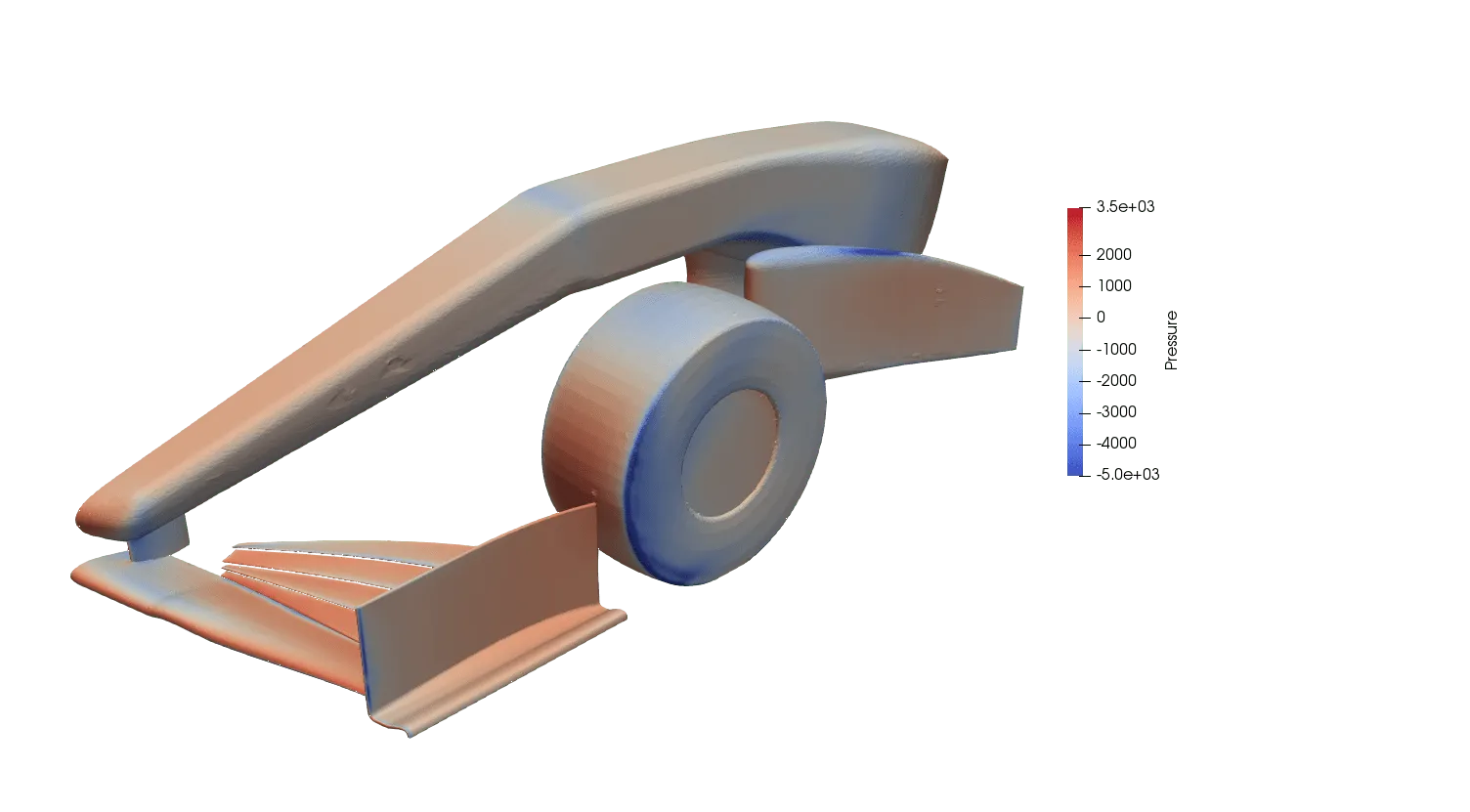
Aerodynamics is a vehicle engineering discipline influencing efficiency, performance, and safety. For the development engineer, optimizing aerodynamics means balancing drag reduction against stability and cooling for mechanical systems. Aerodynamics involves hidden parts, such as underfloors and underhoods. Aesthetic choices strongly affect aerodynamic performance, and vice versa for new vehicle models. Advanced AI methods, such as deep learning, allow virtual testing results from computational fluid dynamics to reach automotive engineers, industrial engineers, and designers who lack access to advanced simulation tools.
Wind tunnels
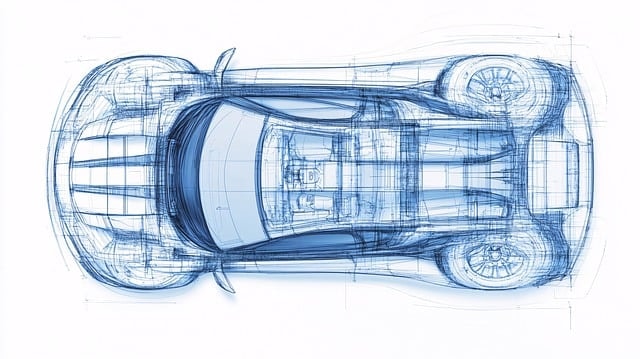
Wind tunnels validate aerodynamic designs and refine models. Engineers test components under controlled airflow to generate real-world data. Physical testing is costly, making complementary digital approaches essential.
CFD: from design to simulation
Computational fluid dynamics (CFD) changed aerodynamic development by allowing automotive engineers to simulate airflow around vehicle systems without physical prototypes. CFD integrates with computer-aided engineering software, allowing mechanical engineers to model airflow, heat dissipation, and pressure distribution in early design stages. Comparing CFD results with wind tunnel data improves accuracy and provides automotive engineers and AI models trained on this data with more reliable information.
AI and deep learning
Deep learning is changing how aerodynamic work is organized in the automotive sector. These methods enable automotive engineers to address aerodynamic challenges by learning from past CFD and wind-tunnel datasets. With AI, an automotive engineer can predict aerodynamic performance faster than with traditional methods, enabling optimization of vehicle systems within a design session rather than across a testing cycle.
Deep learning models assist mechanical engineers by automating design improvements and suggesting shapes for vehicle components. AI-driven tools can also identify non-obvious correlations in airflow dynamics, directing automotive engineers toward solutions that traditional methods might overlook.
Integration and future work
The integration of wind tunnels, CFD, and AI reflects the collaborative structure of aerodynamic work within the broader engineering discipline. AI reduces the time between design iterations, allowing automotive engineers to address more complex problems within the same program schedule.
As vehicle designs grow more complex with advances in EVs and autonomous systems, aerodynamics will remain central. Future vehicles will feature shapes optimized by algorithms, with mechanical systems and computational methods developed together.

Powertrain systems and electrification
The automotive sector is shifting toward zero-emission solutions, driven by regulatory pressure. This compels the industry to develop electric vehicles (EVs), hydrogen fuel cells, and alternative lightweight materials.
Automotive engineering roles related to this application are expanding into specialized fields such as electric drivetrains, battery systems, and the integration of renewable energy technologies. Engineers also develop energy management systems that govern the interaction between hardware and software components in modern vehicles.
Hybrid vehicles combine internal combustion engines with electric propulsion, which places two power sources under a single supervisory control strategy. The engineering problem is the transition logic between them: deciding when to run the engine, when to draw from the battery, and when to recover energy under braking. Deloitte's 2026 Global Automotive Consumer Study, based on responses from more than 28,500 consumers across 27 markets, found interest in hybrids growing as consumers weigh affordability against charging access, while demand for battery electric vehicles remains uneven across regions.
Manufacturing engineers redesign production processes to accommodate new materials and technologies.
The transition presents difficulties, such as sourcing critical minerals for EV batteries. It also creates opportunities for the automotive industry to advance solid-state batteries and autonomous driving systems, two areas where recent advancements have been substantial. This evolution is redefining the skill sets required of the automotive workforce and increasing global demand for multidisciplinary engineering expertise.
Safety engineering and crashworthiness
Safety engineering assesses crash scenarios for vehicle occupants and establishes the structural and restraint requirements that follow from them. The discipline covers the vehicle structure, which must absorb and redirect impact energy away from the occupant compartment, and the restraint systems that manage occupant motion during the impact.
Safety engineering includes testing seat belts and airbags, verifying both the components themselves and the timing logic that deploys them. Crash-test dummies are used in safety engineering assessments to record the forces transmitted to the head, chest, and lower extremities during a controlled impact. Instrumented dummy readings convert a structural event into occupant-injury metrics, which regulatory ratings are based on.
Simulation has changed the sequence of this work. Engineers now run large numbers of virtual crash cases to narrow the design space before committing to physical tests, which remain the basis for certification. The physical test confirms a design that the simulation has already refined.
Software-defined and connected vehicles
Software-defined vehicles are increasingly prevalent in automotive engineering. The distinguishing characteristic is that vehicle behavior is determined by software running on centralized computing hardware, so functions can be changed after the vehicle is sold. McKinsey describes the market as transitioning to zonal and central computing architectures that support software-defined vehicles.
Over-the-air updates allow manufacturers to update vehicle software remotely, which changes the engineering obligation. A vehicle that receives updates for a decade requires version management and validation of every update against the installed fleet configuration. The development effort continues well past the start of production.
Connected vehicles rely on cutting-edge technologies for cloud connectivity, remote diagnostics, and predictive maintenance while communicating with cloud platforms and smart infrastructure and exchanging data on traffic conditions and vehicle health. This connectivity introduces cybersecurity as a design requirement rather than an afterthought. Deloitte reports that consumers place the greatest value on connected features that improve safety and security, while concerns about data sharing remain high, a pair of trends that shape how the industry specifies these functions.
The commercial weight of this shift is measurable. McKinsey projects the global automotive software and electronics market will grow at a 4.5 percent CAGR to reach $519 billion by 2035, compared with roughly 1.0 percent CAGR for the overall vehicle market. Within that total, McKinsey estimates AI could improve or enable software features accounting for 70 percent of the market size.
Smart manufacturing and Industry 4.0
Industry 4.0 technologies now drive automotive manufacturing. Assembly and quality control are data-driven. AI systems identify defects early; predictive maintenance reduces downtime.
Manufacturers improve operations by adopting robotics, IoT-enabled devices, and real-time analytics, which allow production to adapt to demand fluctuations. These technologies also shorten the feedback path from the assembly line back to the engineering groups that specified the part.
How automotive engineering is transforming with Machine Learning and simulation
AI allows engineers to design, test, and optimize vehicles with greater accuracy and in less time. AI-driven tools and digital models enable faster decision-making and reduce costs across the vehicle's lifecycle and components, for instance, in designing heat exchanger shapes.
This section covers four areas where these technologies have a measurable effect.
AI-powered design optimization
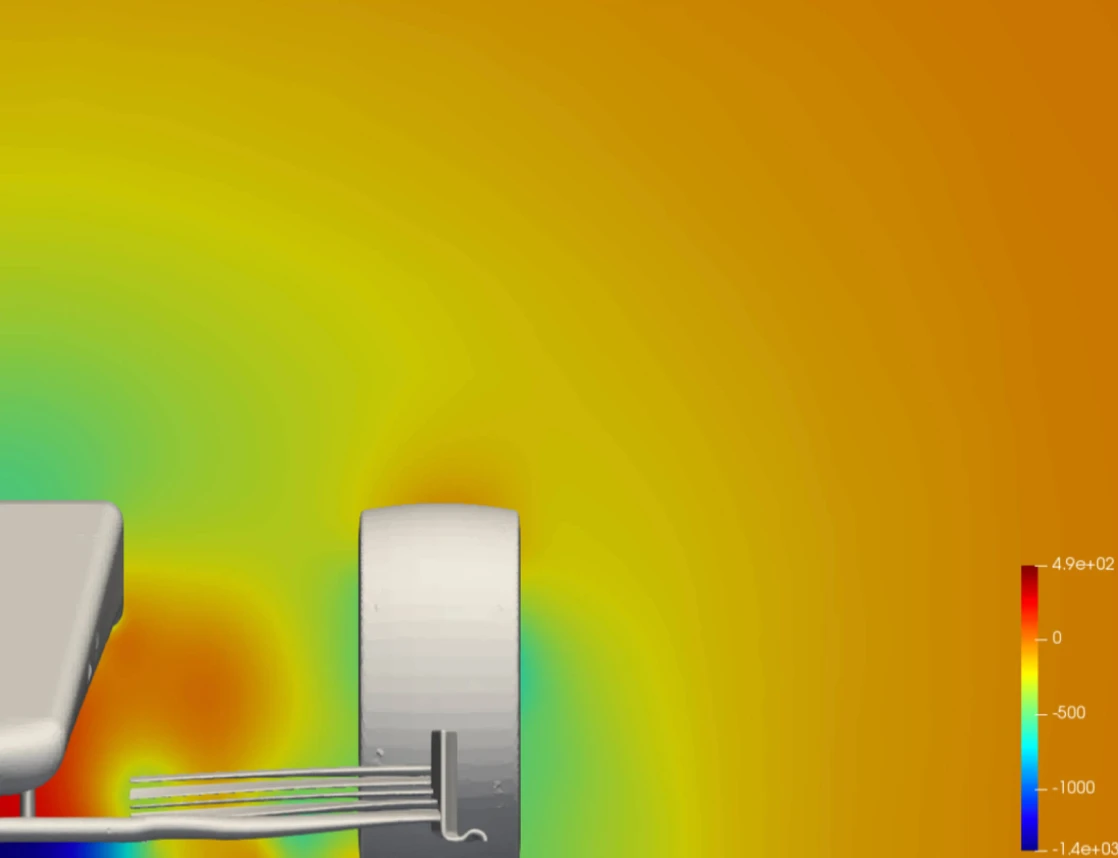
AI improves design processes by automating steps that previously required a full simulation run. For example, Machine Learning algorithms can use aerodynamic simulation to generate and refine shapes that improve efficiency in aerodynamic testing and structural optimization. Tools from Neural Concept use 3D deep learning to allow engineers to iterate on designs without the wait times associated with conventional simulation software. Engineers can evaluate known geometries and explore new ones, which shortens development cycles while maintaining precision.
Real-time simulation tools
AI-powered real-time simulation changes how engineers assess vehicle performance. CFD simulations require significant computational time, while AI tools such as Neural Concept's platform analyze CFD datasets overnight, learning from prior calculations to inform future predictions. Real-time, deep-learning-based simulation allows engineers to evaluate multiple operating conditions within a single session.
Digital twin technology
Digital twins in the automotive industry provide a virtual representation of vehicles, supporting continuous monitoring and performance assessment throughout the lifecycle. By integrating real-world data into digital models, automobile engineers can identify and resolve issues before they reach the customer.
Digital twin technology supports maintenance and efficiency decisions based on recorded operating data rather than on fixed service intervals.
Sustainability of solutions
AI and simulation also support automotive sustainability goals, which require a comprehensive approach. Automotive companies prioritize EVs, carbon emissions reduction, and circular economy principles.
Advanced simulation tests sustainable materials and designs. AI optimizes supply chains to cut waste. These align engineering with environmental and market demands.
Increased use of AI in design and testing
AI-driven algorithms increasingly assist engineers by generating and evaluating design alternatives for lighter and safer vehicle structures. This is the basis of simulation-driven design.
Onboard sensors combined with AI detect patterns or anomalies before failure, reducing downtime and repair costs while improving vehicle reliability.
AI accelerates virtual prototyping and testing, reducing reliance on physical crash tests through advanced simulation techniques. Neural Concept positions this capability as the Intelligence Layer for Engineering, operating above existing CAD, CAE, and PLM tools rather than replacing them.
Automotive engineering develops vehicles that meet safety and efficiency requirements under regulatory and cost constraints. AI and simulation tools shorten the interval between design iterations and improve the precision of energy system design. Neural Concept's AI-driven solutions provide automotive engineers with tools for faster iteration and design exploration.
The compensation and adoption data above point to the same shift: automotive engineering increasingly runs on physics-aware AI rather than solver time alone. Neural Concept's Intelligence Layer learns from a company's own CFD, wind-tunnel, and test data to predict aerodynamic, thermal, and structural performance on new geometries in seconds, so engineers can evaluate far more of the design space within a single working session.
Curious how physics-aware AI fits into your own vehicle development process? Discover the Neural Concept platform.
FAQ
What role does software play in modern automotive engineering (software-defined vehicles, electronics, infotainment)?
Software determines vehicle behavior in a software-defined vehicle, meaning functions can be modified after the sale. Over-the-air updates allow manufacturers to update vehicle software remotely, extending the engineering commitment years past the start of production. Connected vehicles can communicate with cloud platforms and smart infrastructure, which supports remote diagnostics and predictive maintenance. McKinsey projects the automotive software and electronics market will reach $519 billion by 2035, growing at a 4.5 percent CAGR, compared to roughly 1.0 percent for the vehicle market as a whole, and estimates that AI could improve or enable software features that account for 70 percent of that market.
What are the key engineering differences between EV and internal combustion engine powertrains?
An internal combustion powertrain converts chemical energy through a thermodynamic cycle, which makes emissions aftertreatment and multi-ratio transmission design central problems. An electric powertrain converts stored electrical energy directly, removing the emissions system and usually the multi-speed gearbox, and replacing them with battery thermal management and power electronics constraints. Hybrid vehicles combine internal combustion engines with electric propulsion, so the engineering problem becomes the supervisory control strategy governing transitions between the two sources. McKinsey notes that EVs rely more heavily on power electronics than internal combustion vehicles, while requiring fewer, lower-cost powertrain sensors.
What are the main subfields of automotive engineering (powertrain, chassis, electronics, NVH, materials)?
The powertrain covers energy conversion and delivery, from engines and electric drive units to transmissions and battery systems. The chassis covers suspension, steering, and braking, and determines vehicle dynamics. Electronics and software encompass control units and the network architecture that connects them. NVH, meaning noise, vibration, and harshness, addresses how the vehicle transmits mechanical excitation to the occupant, a discipline that gained prominence in EVs where engine noise no longer masks other sources. Materials and body engineering cover structural design and crashworthiness, including lightweighting. Manufacturing engineering spans all of these at the production stage.
How is autonomous driving technology changing automotive engineering design?
Autonomous capability makes computing architecture a first-order design input. McKinsey observes that large perception and planning models require a shift from distributed electronic control units to centralized compute, with high-speed sensing, networking, and safety-redundant compute. On adoption, McKinsey projects that vehicles with level 2 ADAS could account for 52 percent of sales by 2030, while level 3 could reach 16 percent of sales by 2035, up from under 1 percent in 2025. Deployment of level 4 and above remains limited, projected at 1 percent of sales in 2035.
What regulatory standards and testing protocols must automotive engineers follow (crash testing, emissions, functional safety)?
Automotive engineers work under a type-approval regime that governs the complete vehicle. Crashworthiness is verified through prescribed impact configurations with instrumented dummies. Emissions compliance requires certified test cycles for tailpipe output, with parallel requirements for onboard diagnostics. Functional safety follows ISO 26262, which defines integrity levels for electrical and electronic systems and prescribes development process requirements for each. Evaluating information to determine compliance with standards is listed among the core work activities for the occupation.
How has vehicle safety engineering evolved, from seatbelts to ADAS?
The field moved from passive protection to active prevention. Passive safety engineering assesses crash scenarios for vehicle occupants and includes testing seat belts and airbags, with crash-test dummies used to record the forces transmitted during a controlled impact. Active safety shifted the objective from surviving an impact to avoiding it, first through electronic stability control and antilock braking, then through the sensing and intervention functions grouped under ADAS. The two branches now converge: a modern restraint system uses pre-crash sensing to prepare the vehicle before impact.
What role does materials science play in reducing vehicle weight (lightweighting)?
Material selection determines the amount of structural mass required to meet a given stiffness and crash performance target. Automotive engineers design vehicles that use lighter materials, such as aluminum, magnesium alloy, or plastic, to improve fuel economy. The constraint is that substitution changes joining methods and repair procedures, so a material change propagates through manufacturing and service. In electric vehicles, reducing mass also reduces the battery capacity needed for a given range, compounding the benefit.
Hydrogen fuel cell vs. battery electric vehicles: how do the engineering challenges compare?
Battery electric vehicles face challenges in energy density and thermal management of large cell packs. Hydrogen fuel cell vehicles move the difficulty to storage and to the fuel cell stack itself, which requires high-pressure tanks and tight humidity control across the membrane. Fuel cell vehicles refuel quickly and incur less mass penalty over long ranges, which is why the technology remains attractive for heavy commercial applications. The infrastructure requirements differ sharply: battery charging extends an existing electrical grid, while hydrogen requires production and distribution networks built largely from scratch. O*NET maintains a separate occupational profile for fuel cell engineers (17-2141.01).
Why is crashworthiness testing a critical part of automotive engineering?
Crashworthiness testing produces the occupant injury data that certification depends on, and no simulation is currently accepted as a full substitute. The structure must absorb impact energy through controlled deformation while preserving the occupant compartment, and the restraint system must manage occupant motion in the milliseconds that follow. Crash-test dummies record head, neck, chest, and lower extremity loads, converting a structural event into injury metrics. Simulation now narrows the design space before physical testing, reducing the number of prototype vehicles required, though physical testing remains the confirming step.
What technical tools and software do automotive engineers commonly use (CAD, MATLAB/Simulink, control software)?
Proficiency in CAD software and simulation software is crucial in automotive design. O*NET reports AutoCAD, CATIA, and SolidWorks among the computer-aided design packages used in the occupation, with MATLAB and Simulink for analytical and control work and Minitab for statistical analysis. Computer-aided manufacturing packages such as Unigraphics and Mastercam are used for production planning. Development environments include C, C#, Java, and JavaScript, reflecting the requirement for knowledge of vehicle electrical systems and programming languages. Product lifecycle and project management tools such as Siemens Teamcenter, JIRA, and Microsoft Project support coordination across groups.
What qualifications are needed to become an automotive engineer?
Automotive engineering typically requires at least a bachelor's degree, usually in mechanical engineering or a closely related discipline. O*NET survey respondents reported that 71 percent of new hires need a bachelor's degree and 14 percent need a master's degree. Automotive engineers often need to complete internships for hands-on experience, and co-op programs that alternate coursework with industrial placement serve the same purpose. A master's degree can enhance career advancement, particularly toward research-intensive roles and engineering management. A Professional Engineering license is not required for entry-level positions, though it becomes relevant for engineers who sign off on work or provide services directly to the public.
How much do automotive engineers earn?
Automotive engineers are reported within the mechanical engineering classification in U.S. labor statistics. O*NET reports a median wage of $104,110 per year, or $50.05 per hour, for the occupation in 2025. The Bureau of Labor Statistics recorded a median annual wage of $102,320 in May 2024, with the lowest 10 percent earning less than $68,740 and the highest 10 percent earning more than $161,240. Mechanical engineers in transportation equipment manufacturing recorded a median of $103,210, while those in scientific research and development services recorded $123,080. Private salary aggregators report higher averages for the automotive engineer job title specifically, though these are based on self-reported data rather than employer surveys.
What skills do automotive engineers need most?
Technical skills come first: proficiency in CAD software and simulation software is crucial in automotive design, alongside knowledge of vehicle electrical systems and programming languages. Analytical skills are necessary to interpret test data and perform root cause analysis. Problem-solving skills are needed to troubleshoot mechanical and electronic issues, increasingly requiring diagnosis across the boundary between the two. Project management skills help organize tasks and manage budgets for projects with fixed launch dates. The work happens in a team environment, and O*NET reports that 70 percent of automotive engineers surveyed rated contributing to a work group as extremely important.
What does an automotive engineer do during manufacturing?
Manufacturing involves overseeing assembly and managing quality control. Production engineers establish production standards, coordinate activities with procurement and maintenance, and resolve issues that appear when a design meets a real line at volume. Quality management extends beyond inspection to include analysis of warranty and field data, which feeds corrections back into design. Engineers at the production stage also use advanced testing equipment to verify that components meet design specifications before assembly, and AI-driven quality control systems now identify defects earlier in the process than manual inspection can.