Preventive and predictive maintenance are both proactive strategies, in contrast to reactive maintenance which repairs only after failure. They differ in timing, in how much data they use and in effectiveness: preventive works to a schedule, while predictive waits for measured indicators of degradation before intervening.
Key takeaways
Timing, data use and effectiveness are the three axes on which the two strategies differ.
Reactive maintenance is the baseline that both proactive strategies are measured against.
Maintenance scheduling and maintenance management are distinct disciplines built on the strategy choice.
Cost-effectiveness depends on the asset: the more expensive the downtime, the stronger the case for predictive.
Table of contents
Maintenance encompasses activities designed to keep systems in optimal working condition, preventing failures, extending their lifespan, and ensuring safety. There are two main proactive maintenance strategies: preventive maintenance and predictive maintenance. Both approaches contrast with reactive maintenance, which involves repairs only after a failure has occurred.
What is the Difference of Predictive Vs Preventive Maintenance?
Preventive and predictive maintenance are two important strategies used to prevent equipment failure, but they differ in timing, data utilization, and effectiveness. Here’s a comparison of how they differ.
Preventive Maintenance
Definition: Scheduled maintenance work is performed at fixed intervals to prevent equipment failure, according to a preventive maintenance program for the maintenance team
Based on: Time or usage cycles (calendar-based or run-hours).
Pros: Reduces unexpected breakdowns by regular intervention and is straightforward to plan and execute, ensuring routine equipment checks.
Cons: May lead to unnecessary maintenance actions, increasing labor and parts costs, and does not reflect the actual condition of the equipment, potentially missing early signs of failure.
Predictive Maintenance
Definition: Condition-based maintenance triggered by real-time data and analytics.
Based on: Sensor data, performance metrics, and trend analysis.
Pros: Optimizes maintenance timing to prevent failures, reduces downtime and maintenance costs, and extends equipment lifespan by addressing issues early.
Cons: Requires significant investment in monitoring technology, demands expertise in data analysis, and involves higher initial setup complexity compared to traditional methods.
Preventive maintenance is similar to changing your car’s oil at fixed intervals, regardless of actual wear, while predictive maintenance is like changing the oil only when sensors detect it’s genuinely needed.
Here’s a side-by-side look at the core differences between preventive and predictive maintenance:
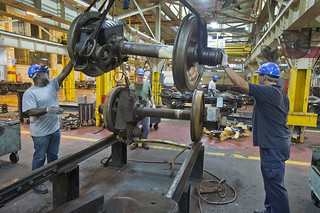
Scheduled Maintenance System at Coney Island Yard | Flickr (mtaphotos)
Maintenance is essential in manufacturing and utilities to prevent equipment failures and reduce downtime. It keeps machines, tools, and systems functional. Without it, minor issues could escalate into major breakdowns, leading to costly disruptions.
The main approaches to maintenance are: corrective, preventive and predictive maintenance.
Corrective (reactive) maintenance occurs after failures and is suitable for non-critical, inexpensive equipment where interruption is acceptable.
Preventive maintenance (also known as preventative maintenance) requires scheduled inspections, servicing, and replacement of parts to prevent failures.
Predictive maintenance utilizes real-time monitoring and data analytics to detect early signs of wear, allowing for timely interventions.
Strategies
Understanding the taxonomy aids strategy development. Each approach has its cost implications, resource requirements, and associated risk levels. Organizations must balance these factors based on asset criticality and the consequences of failure.
A well-planned program reduces costs, enhances performance, and minimizes downtime. For instance, switching to preventive maintenance can extend equipment life and cut emergency repair costs. Predictive maintenance optimizes costs by preventing unnecessary replacements and maximizing uptime.
Proactive maintenance allows organizations to anticipate and prevent problems, focusing on eliminating root causes of failures (e.g., misalignment, contamination, design flaws).
Understanding Preventive Maintenance
Preventive maintenance involves performing regular maintenance tasks at fixed intervals to prevent equipment from failing. These tasks may include inspections, lubrication, part replacements, and system calibrations, all of which are performed before any signs of failing appear. The goal is to prevent unexpected breakdowns through regular maintenance.
Preventive maintenance is based on historical data and best practices, such as mean time between failure (MTBF), to determine the frequency of maintenance. Organizations use manufacturer recommendations, failure trends, and reliability metrics to define when and how often to perform service tasks. This data-driven scheduling aims to strike a balance between overmaintenance and failing risk.
Preventive maintenance is typically performed on a regular schedule, regardless of the equipment’s current condition. For example, a machine might receive a bearing change every 1,000 operating hours, even if the bearing still has useful life left, because it’s cheaper to schedule service than to risk unexpected failure.
This type of maintenance can help reduce wear and tear, prevent unnecessary maintenance, and minimize machine downtime. While it may involve replacing parts earlier, it extends the system’s lifespan by preventing secondary damage and costly emergency repairs.
Preventive maintenance is often used in combination with predictive maintenance to create a comprehensive maintenance program. For less critical components, time-based schedules are sufficient. Predictive methods are reserved for high-value assets. This hybrid approach strikes a balance between cost and resource utilization.
Predictive Maintenance
Predictive maintenance is a key component of smart manufacturing AI technologies. Let’s examine the approaches used and what’s in store for organizations.
Predictive maintenance utilizes real-time data and condition monitoring to forecast maintenance needs. Industrial systems rely on continuous sensor data to identify early signs of wear and tear. For example, in a manufacturing plant, a motor’s vibration readings can indicate bearing wear days before the bearing fails.
This method collects equipment condition data to schedule necessary maintenance tasks. It monitors key indicators such as thermal patterns, lubricant quality, or electrical signals. In large-scale HVAC systems, sensors can detect coil fouling or fan inefficiencies, enabling planned interventions during periods of low demand rather than reacting to failures.
Predictive maintenance is more proactive than preventive maintenance, as it only performs maintenance when necessary. In power generation, turbines can run beyond their preventive maintenance intervals if monitoring indicates no stress, thereby avoiding service interruptions.
Cost Savings
Organizations employing predictive strategies can experience substantial cost savings. It can lower labor and material costs, minimize unplanned downtime, and enhance the performance of assets. A refinery noted a 40% reduction in downtime after implementing condition monitoring on critical pumps, resulting in longer equipment lifespan and fewer emergency repairs.
Effective predictive maintenance relies on advanced technologies. These include sensors and data analysis software for collecting and analyzing data. To explore this in more detail, see how AI is used in predictive maintenance, including real-world use cases and key technologies.
Standard systems utilize vibration sensors, oil particle counters, and thermal cameras, which feed into 3D deep learning platforms that assess performance deviations. These technologies identify issues such as imbalance, misalignment, or overheating before breakdowns occur.
Implementing a predictive maintenance program usually demands a higher initial investment in technology and training compared to preventive maintenance practices. Upfront expenses cover hardware installation, data collection and integration, and staff upskilling; however, this investment typically yields a quick return. For instance, one manufacturing facility reported recovering expenses within 9 months after avoiding a significant unplanned shutdown of their bottling line.
What is Maintenance Scheduling?
Maintenance scheduling means assigning specific tasks (e.g., machine inspections, lubrication, or part replacements) at fixed dates and times. Scheduling includes allocating resources such technicians, tools, and spare parts. This, we ensure each task is completed without delaying production or causing equipment downtime.
It considers the type, frequency, and resources needed. A quarterly gearbox oil change may require the services of two technicians, a lift, and specialized tools, all of which must be available on the scheduled day.
Software can streamline activities and improve team communication. Using a CMMS, technicians receive automatic alerts and job details on a tablet, reducing delays caused by missed instructions.
Regular review and updates keep the schedule effective. If the rates of equipment failure increase, managers may adjust inspection intervals or reschedule low-priority tasks to mitigate the risk.
This process is critical for maintenance management to ensure efficiency. Without proper scheduling, reactive work can overwhelm teams, leading to missed inspections and costly unplanned downtime.
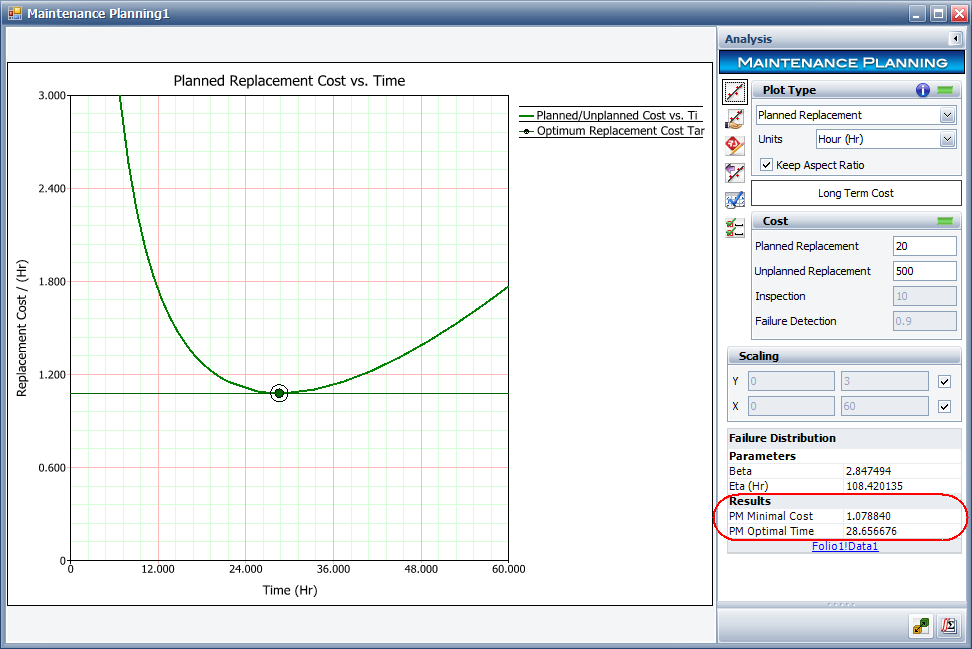
Maintenance Planning | ReliaWiki
What is Maintenance Management?
Maintenance management is the systematic coordination and supervision of all maintenance activities to maximize equipment reliability, ensure operational safety, and optimize total lifecycle costs. This includes detailed planning of tasks based on asset condition and failure modes; precise scheduling to align maintenance windows with production demands and resource availability; effective execution by qualified technicians using standardized procedures and calibrated tools; and continuous monitoring through key performance indicators (KPIs). Examples of KPIs are the mean time between failures (MTBF), downtime, and maintenance costs.
The activity includes planning, scheduling, executing tasks, and evaluating the effectiveness of the maintenance program. A routine maintenance planner might schedule weekly equipment checks, assign tasks through a computerized maintenance management system (CMMS), and analyze downtime reports for future planning purposes.
Strong communication and coordination, along with advanced software technologies, are essential. Technicians can use tablets to receive work orders, log parts, and update statuses in real-time, reducing delays and errors.
The goal is to minimize costs, maximize asset performance, and reduce unplanned downtime. A well-run program can extend machine life by 20% and prevent costly breakdowns, such as a failed compressor, which can halt production.
Effective maintenance management is crucial to a business’s overall strategy, since it significantly impacts productivity and profitability. When aligned with goals such as uptime or energy efficiency, it supports higher output and lower operating expenses.
When developing a maintenance strategy, consider equipment type, maintenance frequency, and resource requirements. The plan should reflect the organization’s goals and the associated risks of equipment failure. A solid strategy helps lower maintenance costs, boosts asset performance, and reduces unexpected downtime. Regularly reviewing and updating this strategy is essential for effectiveness. Proactive maintenance approaches, like predictive maintenance, can help prevent potential problems.
Cost-Effectiveness of Maintenance
Cost-effective maintenance is a strategy that minimizes costs while maximizing asset reliability and lifespan, directly improving an organization’s bottom line. Let’s break this down:
Maintenance costs can be reduced by implementing a well-planned maintenance program, using advanced technologies, such as maintenance software, and performing maintenance tasks in a timely and efficient manner.
The cost-effectiveness of maintenance should be regularly evaluated and monitored to ensure that it remains adequate.
Maintenance costs can be minimized by using a combination of preventive, predictive, and corrective maintenance tasks.
The use of proactive maintenance, such as predictive maintenance, can help reduce maintenance costs and minimize unplanned downtime.
Which are the Triggers for Maintenance?
Triggers for maintenance include scheduled maintenance, condition-based maintenance, and run-to-failure maintenance.
Scheduled maintenance occurs at fixed times or usage intervals, such as replacing air filters every three months, regardless of the equipment’s actual condition.
Condition-based maintenance relies on real-time data, such as vibration, temperature, or pressure readings, to trigger tasks only when signs of wear or failure risk appear.
Run-to-failure maintenance is performed only after equipment breaks down, such as a failed conveyor belt motor, and is typically the most costly due to unexpected downtime.
Using proactive strategies, including predictive maintenance, helps reduce dependence on run-to-failure responses and limits unplanned production losses.
Preventive/predictive or corrective?
Proactive Maintenance vs Corrective Maintenance
Proactive maintenance vs. corrective maintenance is a key distinction. Proactive maintenance aims to prevent equipment failure, whereas corrective maintenance addresses issues that have already occurred.
Proactive Maintenance
Definition: A proactive approach focused on preventing equipment failures before they occur, via predictive (predictive-analytical) or preventive (scheduled) approaches.
Based on: Scheduled tasks like inspections, lubrication, or predictive methods using sensor data such as monitoring of temperature or vibration.
Pros: the proactive approach reduces unplanned downtime, extends equipment life, and lowers emergency repair frequency.
Cons: the proactive approach requires an upfront investment in monitoring tools; also, planning and resources for routine servicing.
Corrective Maintenance
Definition: The reactive approach to maintenance addresses equipment issues after a failure or malfunction has occurred.
Based on: Repairs or part replacements triggered by breakdowns. E.g., fixing a failed motor or leaking valve.
Pros: Lower short-term costs when equipment is functioning properly Minimal effort, until failure.
Cons: Leads to unexpected downtime, lost productivity, higher overall labor costs, and increased wear on other connected components.
Preventive maintenance offers simplicity and reliability through fixed schedules. This makes it a cost-effective strategy.
Predictive maintenance delivers tailored interventions, reduces downtime, and saves costs. This is ideal for critical operations leveraging sophisticated tools and specialized teams.
The best results come from a hybrid strategy: routine preventive checks combined with condition-based monitoring.
The future of maintenance lies in balance, integrating fixed schedules with real-time insights.
Thus, companies can move from reactive repairs to proactive performance.
FAQ
What are the Four Types of Preventive Maintenance?
Four types of preventive maintenance are recognized in maintenance management: Time-Based Maintenance (TBM), Usage-Based Maintenance (UBM), Condition-Based Maintenance (CBM), and Predictive Maintenance (PdM).
What is the Difference between Predictive Maintenance and Scheduled Maintenance?
Predictive maintenance relies on real-time data to perform tasks only when necessary; scheduled maintenance follows a fixed usage interval, regardless of the equipment's condition.
What is an Example of Predictive Maintenance?
For instance, vibration sensors detect bearing wear in a motor, allowing us to replace it before failure occurs.
Preventive Vs. Predictive Maintenance: What's the Difference?
Preventive maintenance is done at regular intervals. Predictive maintenance utilizes condition data to take action just before a failure is likely to occur.